Micro-provisions studio
Small packets for days that need a little more shape.
Mepoa collects practical, pocket-sized rituals: the kind of note, tray, card, or preparation cue that stops an ordinary day from becoming overbuilt. The work sits between household readiness, gentle operations, and everyday design. It favors clear margins over grand systems.
Today's useful margin
Choose one repeated friction point, make the next action visible, and leave the solution smaller than the problem. That is the Mepoa rule of scale.
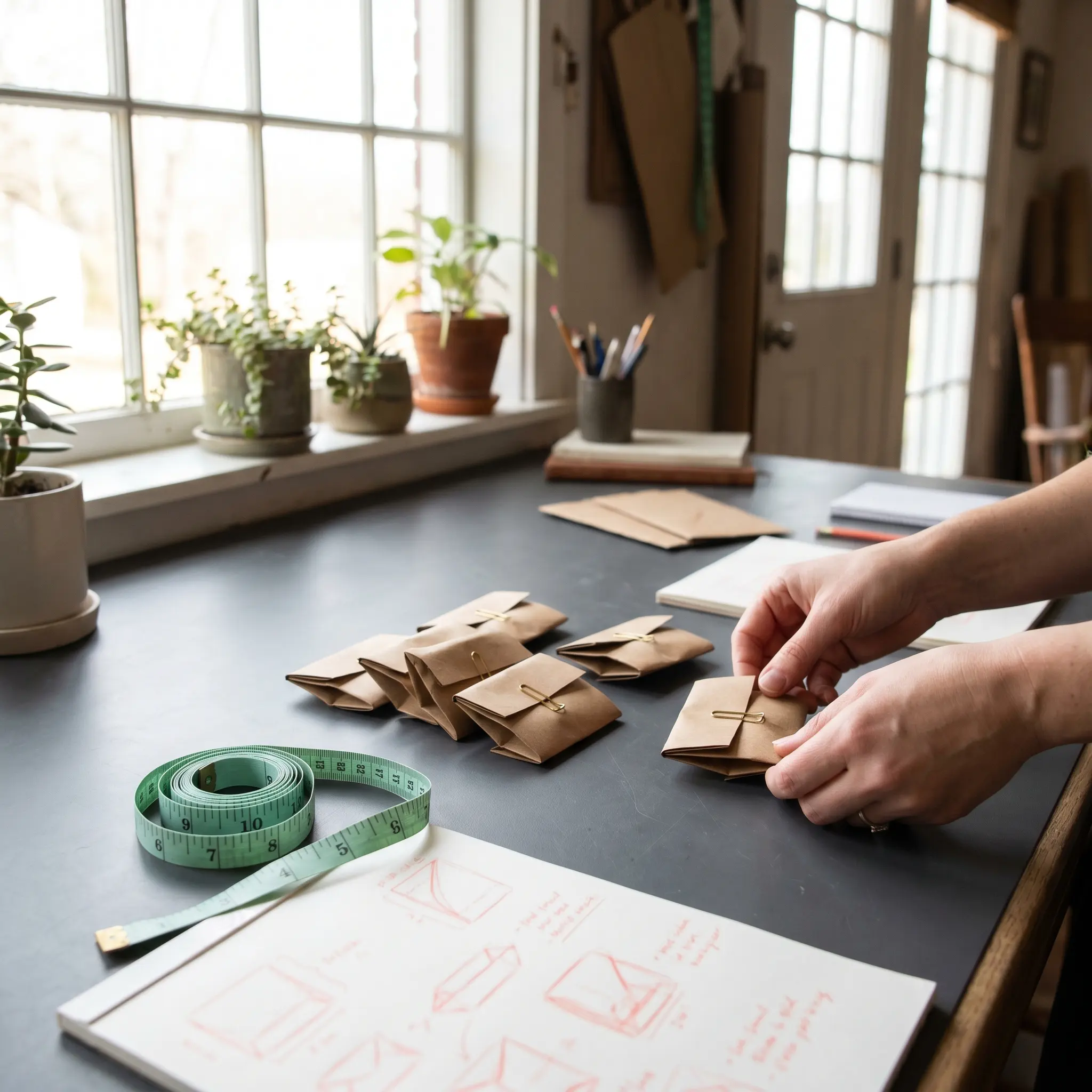
Photographic study
The visual language is deliberately tactile: paper folds, tray edges, clips, blank cards, and small tools that suggest use without becoming a product catalogue.
What Mepoa keeps
The studio is organized around tiny provisions rather than advice columns. Each piece has to answer a simple question: what would make this ordinary moment easier to begin, finish, carry, remember, or hand to someone else? The answer may be a field card, a shelf rule, a pocket checklist, or a quiet naming convention.
before leaving
keys, water, card, weather, return path
before deciding
constraint, reversible step, waiting cost, first signal
before hosting
entry light, landing tray, quiet seat, closing cue
before resting
surface reset, low-friction meal, next-morning note
A catalogue of humble leverage
Mepoa does not treat preparedness as a bunker mood or productivity as a race. It looks for small leverage: a label that prevents a drawer argument, a leaving ritual that saves a return trip, a guest card that makes hosting less performative, a pocket rule that keeps a decision reversible until the evidence improves. The tone is plain because the objects are plain. Their usefulness comes from being easy to place, repeat, and ignore when they are not needed.
A two-minute departure packet for mornings that begin with scattered objects.
A small waiting-room card that turns idle time into one clean note.
A desk reset slip for clearing only the surface that changes the next hour.
A tiny errand map that groups loose tasks by direction instead of urgency.
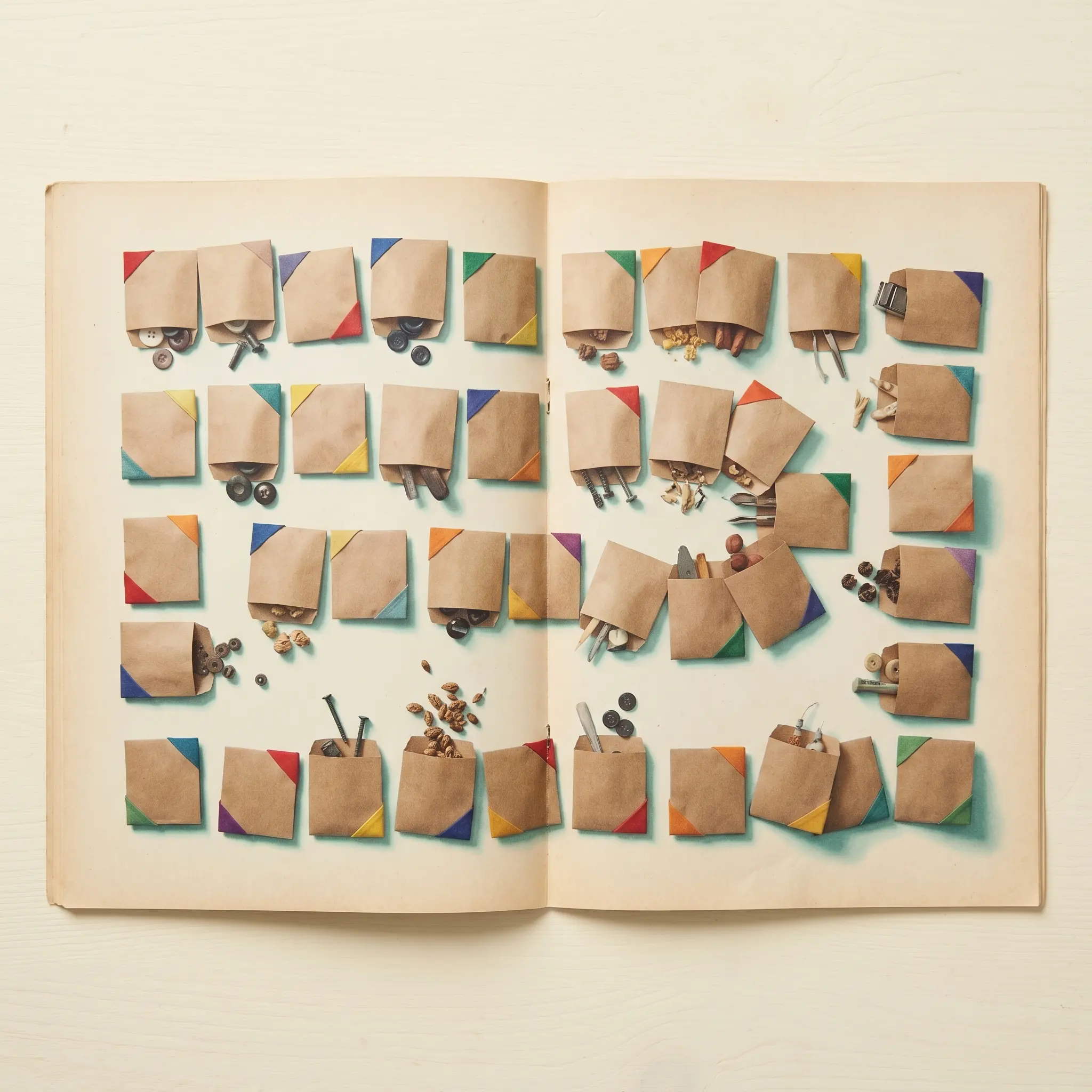
Catalogue principle
Useful things are grouped by the moment they improve, not by the drawer they live in.